
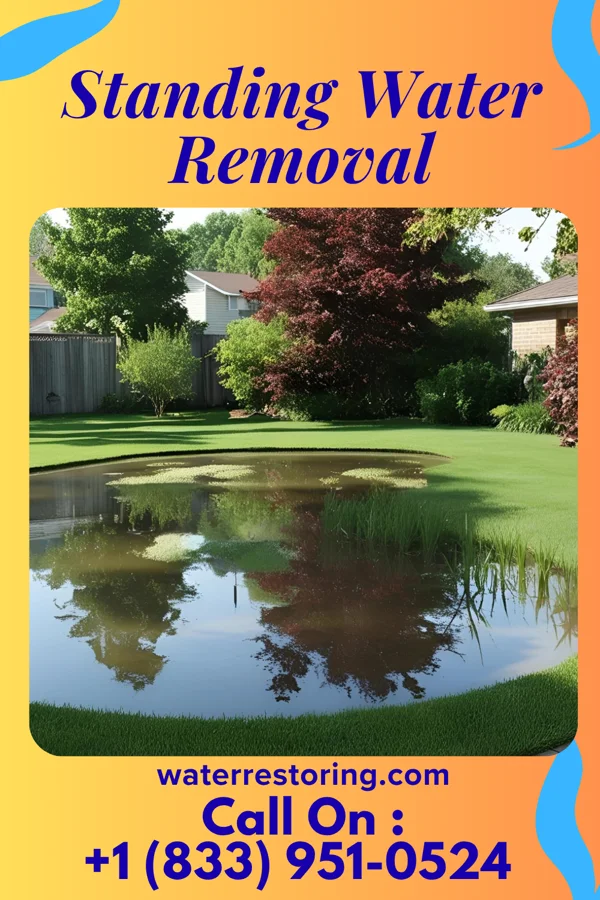
Standing Water Risks in Litchville
Property owners across Litchville call certified water damage restoration when In Litchville, North Dakota, the primary water damage cause is often due to burst pipes, especially during the harsh winter months when frozen plumbing can lead to sudden leaks. Additionally, heavy spring thaws can cause groundwater seepage into basements of older homes. These issues are common in the rural setting where many homes are not built with modern waterproofing features.. A close second is Secondary causes include malfunctioning sump pumps, roof leaks during summer storms, and improper drainage around properties. In areas near Marion or Fort Ransom, agricultural runoff can also contribute to water infiltration in lower-lying homes..
Litchville experiences extreme seasonal weather, with harsh winters and heavy spring rains, increasing the risk of water damage. The rural location means that natural water sources like rivers and streams can overflow, posing a threat to nearby properties.
Litchville experiences extreme seasonal weather, with harsh winters and heavy spring rains, increasing the risk of water damage. The rural location means that natural water sources like rivers and streams can overflow, posing a threat to nearby properties. The dominant local driver is In Litchville, North Dakota, the primary water damage cause is often due to burst pipes, especially during the harsh winter months when frozen plumbing can lead to sudden leaks. Additionally, heavy spring thaws can cause groundwater seepage into basements of older homes. These issues are common in the rural setting where many homes are not built with modern waterproofing features., with Secondary causes include malfunctioning sump pumps, roof leaks during summer storms, and improper drainage around properties. In areas near Marion or Fort Ransom, agricultural runoff can also contribute to water infiltration in lower-lying homes. showing up as the next most common cause. Damage builds in stages. Spread. Absorption. Microbial growth. Structural compromise. Every stage you pass through adds to the final bill.